Scabies
Scabies is a contagious skin infestation caused by microscopic mites, leading to intense itching and rashes. {brand.name} can help.
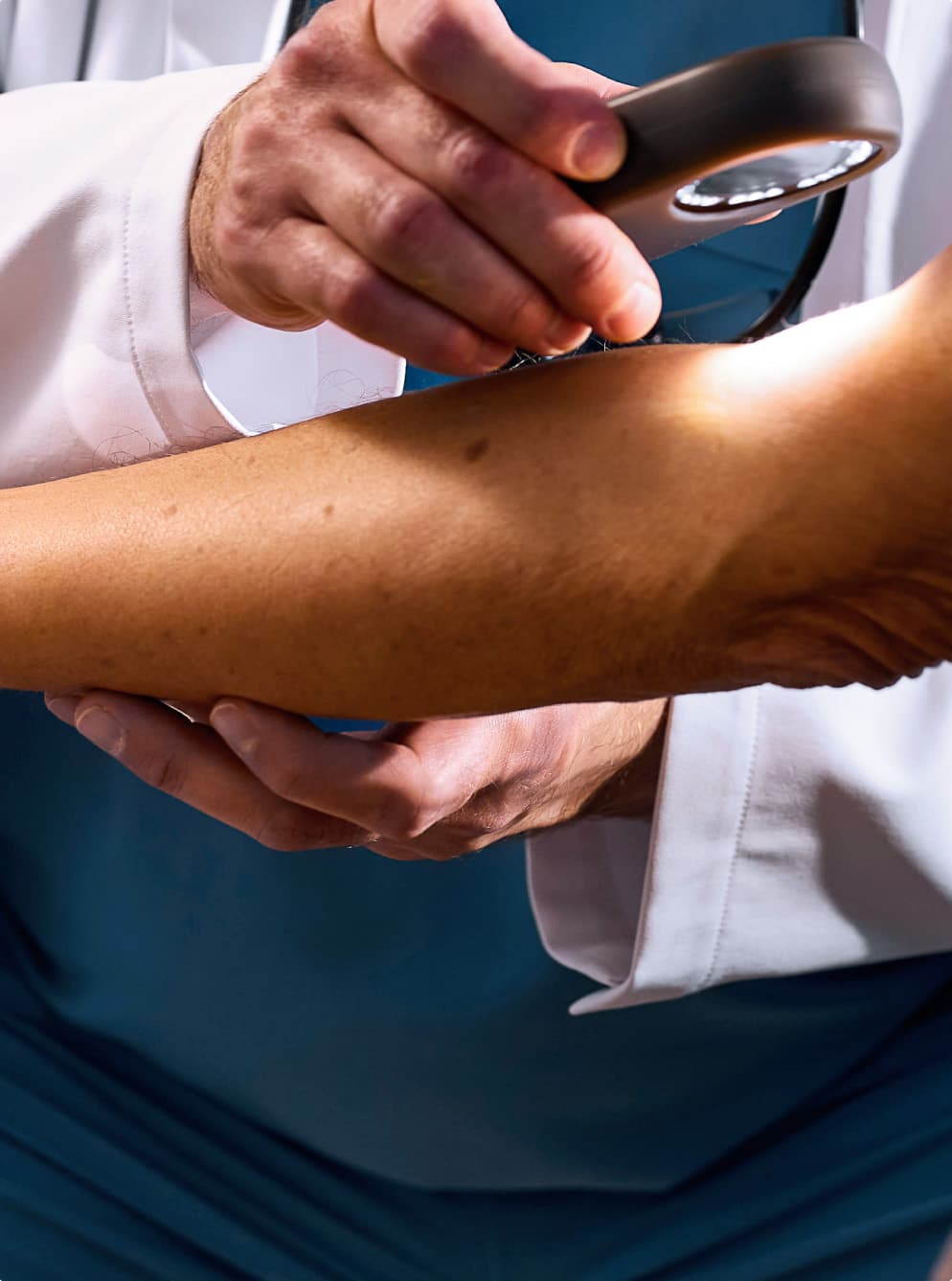

Scabies is a contagious skin infestation caused by microscopic mites, leading to intense itching and rashes. {brand.name} can help.
What is Scabies?
Scabies is a highly contagious skin condition caused by microscopic mites, specifically Sarcoptes scabiei, that burrow into the skin. This infestation results in intense itching, especially at night, and the appearance of red rashes or pimple-like irritations. Commonly affected areas include the wrists, elbows, armpits, waist, and between the fingers. Scabies can spread rapidly through close personal contact, sharing bedding or clothing, and crowded living conditions.
Left untreated, scabies can lead to secondary bacterial infections due to excessive scratching. The condition can affect individuals of all ages, but it is particularly prevalent in settings such as nursing homes, childcare facilities, and dormitories.
At {brand.name}, our experienced dermatologists can diagnose scabies through clinical examination or skin scrapings, ensuring an accurate diagnosis. We provide individualized treatment plans tailored to your specific needs, which typically include prescribed topical or oral medications to eradicate the mites and alleviate symptoms.
What are the Symptoms of Scabies?
Intense itching, especially at night.
As the scabies mites burrow into the skin and lay eggs, they cause a rash that appears as tiny red bumps or pimples.
The rash may develop into more crusty or scaly areas.
The itching is a result of the body's allergic reaction to the presence of the mites and their waste.
Examples of Scabies
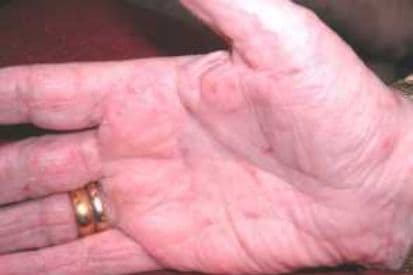

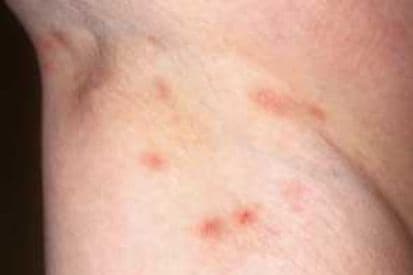
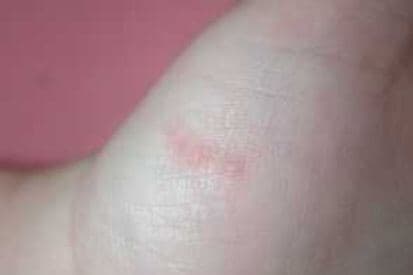
Causes of Scabies
Scabies is caused by an infestation of the Sarcoptes scabiei mite.
These tiny mites are microscopic and cannot be seen by the naked eye.
The mites burrow into the outer layers of human skin to live and lay their eggs, triggering an allergic reaction in the host.
Scabies is highly contagious and can spread through close personal contact with an infected person.
How to Prevent Scabies
Preventing scabies involves avoiding direct skin-to-skin contact with infested individuals and their belongings. Regularly wash and clean bedding, clothing, and personal items to reduce the risk of infestation. Maintain good personal hygiene, refrain from sharing personal items, and be cautious in crowded environments. If someone in close contact has scabies, seek prompt treatment for everyone involved to prevent the mites from spreading.
How to Treat Scabies
Dermatological treatments for scabies include but are not limited to:
Topical medication to eliminate the mites.
Oral ivermectin in select cases.
Oral antihistamines to reduce itching.
Topical steroids to reduce itching.
Systemic steroids in severe cases to reduce itching.
If you suspect scabies, we encourage you to schedule a skin check with one of our dermatologists. We can guide you to a custom treatment plan to provide relief and eliminate the mites.
Scabies FAQs

How {brand.name} Can Help
If you’re experiencing a skin concern, a consultation with one of our providers is a great first step. Our team will assess your skin condition, discuss what may be causing your symptoms, and help you feel informed and confident about your path to healthier skin.