Reconstruction After Mohs Surgery
Expert skin repair and restoration after Mohs surgery. At {brand.name}, our surgeons use advanced techniques to minimize scarring and optimize healing.

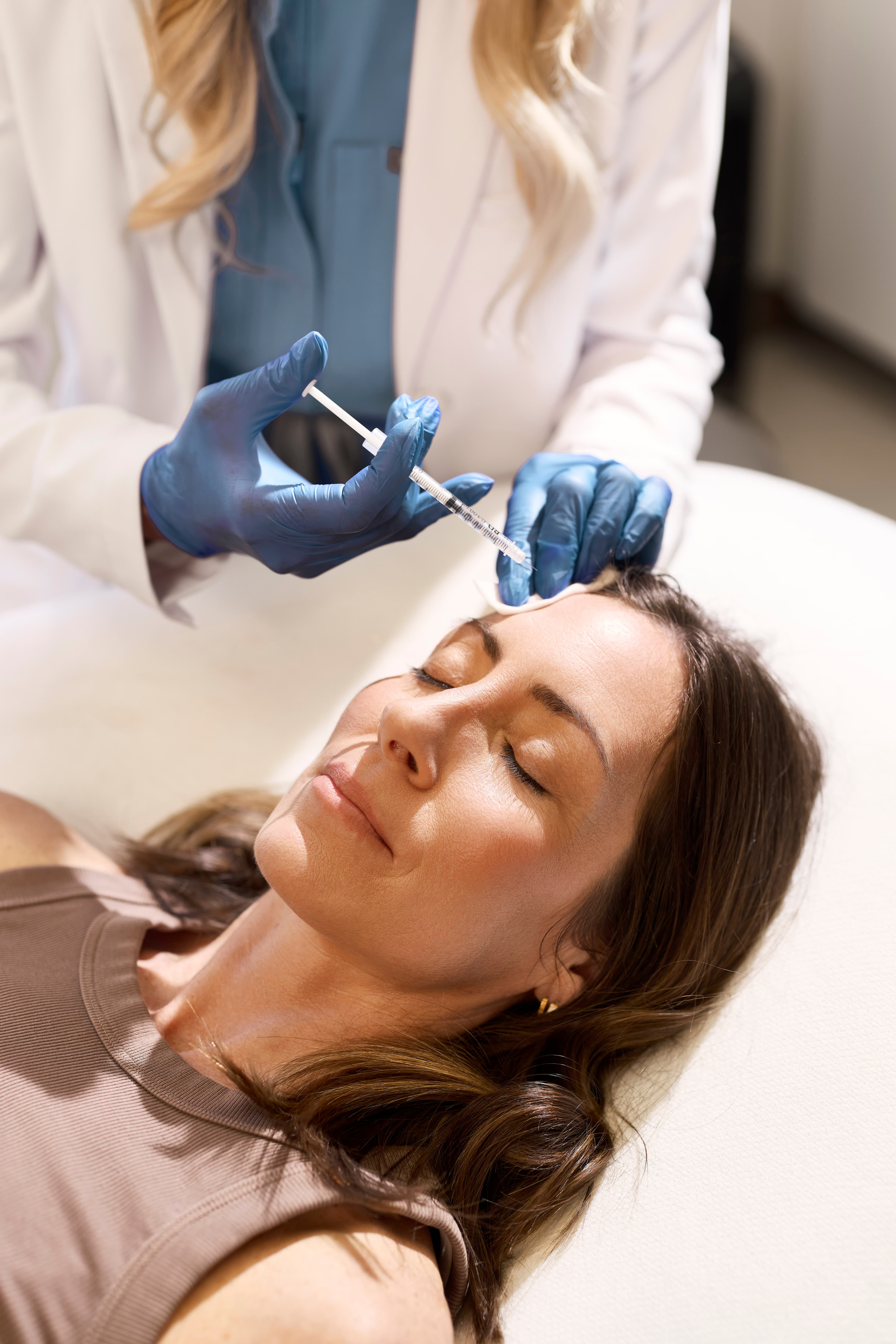
Expert skin repair and restoration after Mohs surgery. At {brand.name}, our surgeons use advanced techniques to minimize scarring and optimize healing.
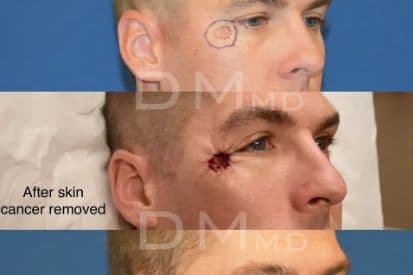
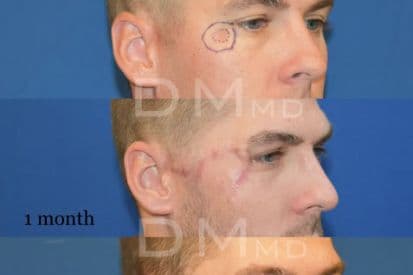
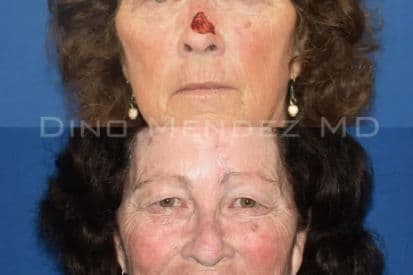
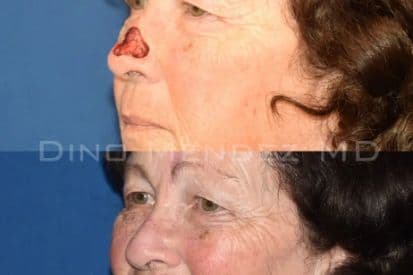
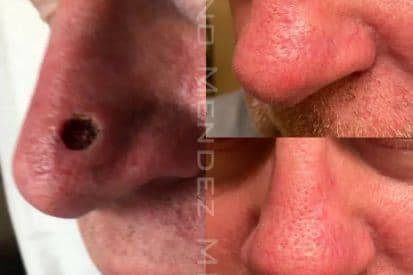
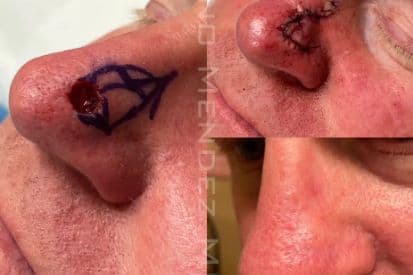
Reconstruction after Mohs surgery is a crucial process focused on repairing and restoring the skin or tissue that has been removed during Mohs micrographic surgery, a highly effective technique for treating skin cancer. This reconstructive phase is essential for achieving the best possible cosmetic and functional outcomes, ensuring that the treated area heals properly and looks as natural as possible. At {brand.name}, our experienced surgeons employ a variety of advanced techniques to close the surgical site. These methods include the use of sutures, skin flaps, or grafts, depending on the size and location of the excised tissue. The goal is to seamlessly integrate the repaired area with the surrounding skin, minimizing scarring and maintaining the skin’s natural appearance and function. Patients undergoing reconstruction after Mohs surgery can expect a thorough and personalized treatment plan. Our team carefully assesses each case to determine the most appropriate reconstructive method, ensuring optimal healing and aesthetic results. Recovery is closely monitored to address any concerns promptly, and patients are provided with detailed aftercare instructions to promote swift and effective healing.


Benefits of Reconstruction After Mohs Surgery
Reconstruction after Mohs surgery offers several crucial benefits, encompassing both cosmetic and functional aspects to ensure optimal outcomes. Here are the key advantages:
Cosmetic Restoration: The primary benefit involves restoring the natural appearance of the skin, minimizing scarring, and preserving aesthetics.
Functional Integrity: Reconstruction aims to maintain or restore the functionality of the treated area, ensuring proper mobility and preventing limitations in daily activities.
Minimized Discomfort: Proper reconstruction contributes to a smoother healing process, reducing discomfort and promoting a more comfortable post-operative experience.
Enhanced Self-Esteem: Achieving a favorable cosmetic outcome often leads to increased self-confidence and a positive impact on emotional well-being.
Reduced Recurrence Risk: By ensuring thorough removal of cancerous tissue and effective closure of the surgical site, reconstruction contributes to minimizing the risk of cancer recurrence.
Embarking on the reconstruction process after Mohs surgery is a collaborative effort between patients and our skilled surgeons, ensuring personalized care and optimal results.
How a Board-Certified Dermatologist Can Help?
At {brand.name}, our skilled surgeons specialize in providing comprehensive reconstruction after Mohs surgery, ensuring optimal cosmetic and functional outcomes. If you've undergone Mohs surgery and require reconstruction, schedule a consultation with our experienced team today. We are dedicated to understanding your unique needs and guiding you through a personalized reconstruction plan. Regain confidence in your skin's appearance with {brand.name}. Schedule your consultation now to embark on your journey to effective and compassionate reconstruction after Mohs surgery.
Reconstruction After Mohs Surgery FAQs
What to Expect at Your Reconstruction After Mohs Surgery Appointment
At your reconstruction appointment following Mohs surgery, expect a comprehensive consultation with your surgeon to discuss the specific details of the reconstruction plan. This collaborative session is crucial for tailoring the approach to your unique needs and ensuring your preferences are considered. The duration of the actual reconstruction process varies based on the complexity and size of the surgical site, typically taking place immediately following Mohs surgery or in subsequent appointments. The surgeon will carefully explain the chosen reconstruction technique, address any concerns, and provide information on the expected healing process. Post-operative care instructions, including recovery expectations and follow-up appointments, will be discussed to ensure a successful and comfortable experience throughout the reconstruction journey.
How to Prepare for Reconstruction After Mohs Surgery
In preparation for your reconstruction following the Mohs surgery appointment, adhere to any pre-operative instructions provided by your surgeon. Communicate openly about your medical history, current medications, and any changes in your health since the initial consultation. Wear comfortable clothing on the day of the procedure, and ensure transportation arrangements, as you may not be able to drive yourself home after receiving any necessary anesthesia. Create a supportive recovery space at home and consider bringing a trusted friend or family member to the appointment to absorb the information provided and offer assistance during the recovery process. This thoughtful preparation ensures a smooth and well-informed experience as you embark on your reconstruction journey following Mohs surgery.
Planning for Recovery after Reconstruction After Mohs Surgery
Patients return home the same day after surgery. After surgery, a dressing will be in place or the surgeon may instruct you to apply an ointment 1-2 times per day. Typically, patients will follow up at the 1-week mark to confirm proper healing. Once the skin is healed, a scar prevention program will be tailored based on your surgery and skin type. Important considerations include: · Preventing infection by keeping the incision clean and covered, as instructed by your surgeon · Avoiding strenuous activity or heavy lifting until healing is complete · Reducing swelling and bruising · Avoiding UV radiation Regular follow-up with your dermatologist is imperative after Mohs surgery.